
Maldives: bank account for non-residents, banks, permits and dollar rules
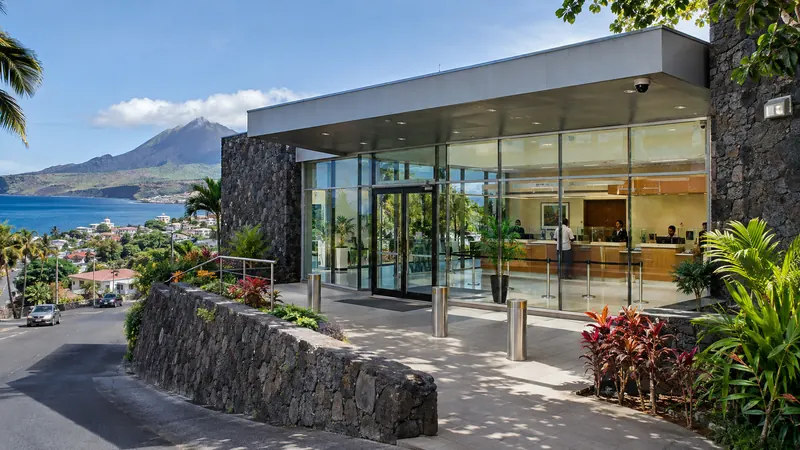
Maldives: a bank account for non-residents is an account held with a Maldivian bank by a foreigner who does not live in the country permanently, in rufiyaa or in US dollars. Banks in Malé usually require a passport, a visa or work permit, proof of address and a letter explaining the purpose of the account. Dollar balances matter because tourism earns in foreign currency, but the Maldives Monetary Authority sets currency rules, and banks apply extra checks to non-resident applicants.
Opening a bank account for non-residents in the Maldives
The Maldives is a chain of coral atolls in the Indian Ocean, with a small population and an economy built around tourism and fishing. Foreigners who need bank accounts include resort employees on work permits, dive instructors, consultants, investors in guesthouses and owners of leases on inhabited islands, as well as remote workers who stay for months.
Banks are concentrated in Malé and a handful of atoll capitals. A person who lives abroad and has no work permit, lease or business registration will find it hard to open an account, because lenders want to see a link with the country. Anyone with a long-term visa, an employer or a registered company has a much stronger case.
Island branches are limited, so many customers rely on internet banking and agents for daily needs.
Typical motives include paying rent in Malé, receiving a monthly stipend from a dive centre, buying equipment for a guesthouse and settling lease instalments for an island plot. Consultants working for international projects also need accounts to receive fees, and some families use a Maldivian account to support relatives studying abroad.
The rufiyaa, the monetary authority and the dollar
The Maldives Monetary Authority (MMA) acts as the central bank and issues the rufiyaa (MVR). The currency is managed in a narrow band around about 15.4 rufiyaa to the US dollar, and the authority has at times faced shortages of dollars, which affect how banks sell foreign currency to customers.
Resorts and guesthouses price services in dollars, and many foreign workers are paid in dollars, so a dollar account is common. Local spending, from groceries to ferry tickets, uses rufiyaa. Banks may limit dollar withdrawals or charge a margin on conversions, so customers should ask about rates in advance and keep records of every transfer.
Dollar shortages have occasionally slowed the supply of foreign currency at banks, and a parallel market has emerged at times. A customer who is paid in dollars should confirm whether the bank will credit them as dollars or convert them automatically, and at which rate, since that decision shapes later withdrawals.

Banks that serve foreigners
Bank of Maldives is the largest and has branches in most atolls, along with mobile banking tools. Maldives Islamic Bank offers sharia-compliant accounts, and Commercial Bank of Maldives (MCB Maldives) serves individuals and companies. State Bank of India operates a branch in Malé, and other regional banks have limited presences.
Branches in Malé and Hulhumalé are accustomed to foreign passports and generally offer service in English. Atoll branches work mostly in Dhivehi, and queues can be long, especially around payday and public holidays.
Because population is spread across more than a hundred inhabited islands, banks rely on agents, ATMs on ferries or jetties and mobile banking. Foreign customers on remote islands should ask how cash can be obtained and how card problems are solved when the nearest branch is a boat journey away.
Mobile wallets and card payments
Mobile wallets from banks and telecoms allow payments and transfers across the country, and card payments are standard in resorts and in shops in Malé. Activating a wallet normally needs a Maldivian phone number, which a foreigner with a visa can obtain from a local operator.
Documents for a bank account for non-residents
Banks ask for a passport with a valid visa or work permit, a letter from the employer or sponsor, a recent photograph and proof of address, which could be a lease or a letter from the resort. A reference from a bank in the home country is often requested, with a tax identification number.
Companies provide the registration certificate, articles of association, details of directors and shareholders, and a board resolution. Documents issued abroad may need legalisation. The bank also asks about the expected transactions and their source, so a short written description helps.
Resort workers and seasonal staff
Many resorts help employees to open accounts through a group arrangement, with the bank visiting the resort or accepting documents prepared by the human-resources department. Workers should check which currency their salary is paid in, how to access cash on remote islands, and what fees apply for sending money home.
Guesthouse owners and investors
Foreign investors in guesthouses, dive centres and tourism services normally need a company registered with the authorities and licences from the tourism ministry. The bank asks for the lease agreement, business plan and tax registration. The account can then support salary payments, supplier invoices and tax filings.
Daily banking in an island country
Banking hours follow a Sunday-to-Thursday week, since Friday and Saturday are the weekend. The country keeps UTC+5 all year. Most transactions can be done in the app, though some operations need a branch visit in Malé. Transfers between local accounts are immediate, while international transfers take a few days and may be held for checks.
Cash is useful on small islands, where ATMs are scarce and out-of-order machines are common. Travelling with a spare card and some cash in rufiyaa and dollars is wise. Ferry and seaplane schedules can delay trips to a branch, so planning ahead avoids missing deadlines.
Salaries for resort staff are often paid on a monthly cycle, with service charges distributed separately. Employees who receive tips in cash should deposit them regularly, so the balance matches declared income and the bank sees a consistent pattern.
Tax, reporting and compliance
The Maldives has no personal income tax, but it levies goods and services taxes and, on tourism, a green tax and other charges. Interest on deposits is not taxed in the way it is in many countries, though the account holder’s home country may tax it as income.
The authority applies anti-money-laundering rules, and banks ask for the source of funds, especially for large dollar deposits. The country takes part in international information exchange, so the holder’s tax residence is recorded. Declaring the account at home remains the holder’s responsibility.
Keeping records for the home country
Many countries require residents to report foreign accounts and interest. Annual statements, kept in English, normally suffice for this purpose. A tax adviser at home can explain whether forms are due and how the absence of a Maldivian income tax affects the position of an employee.
Alternatives to a Maldivian account
Short-stay visitors and digital nomads usually rely on foreign cards, which resorts accept, and on cash. A multi-currency account in the home country can cover most spending. International transfer services can send money to employees’ local wallets or to family members.
Entrepreneurs opening a guesthouse or dive centre normally register a company first and then open a business account. The process involves the Registrar of Companies, licences from the tourism ministry and tax registration, and a local lawyer can guide the steps. Fees and timelines should be agreed in writing.
Where a bank declines an application, trying a second institution or waiting until a work permit is issued often changes the answer. Reapplying with a stronger file, including a sponsor letter, is a sensible step.
Questions to ask before opening an account
Ask which visa categories the bank accepts, whether a sponsor letter is mandatory, what the opening deposit is, and whether the account can hold dollars. Compare fees for maintenance, cards, transfers and conversion, and ask about withdrawal limits in dollars.
Check how long approval takes, whether the mobile app works for foreigners, which languages the statements use and what happens to the account when the work permit ends. Find out how the bank deals with dormant accounts and how to move funds abroad on departure.
Finally, keep copies of the account agreement, note the officer’s name, and ask for confirmation by email of any special arrangement for resort staff or investors.
Banks and providers to open this account
- Bank of Maldives — The largest bank in the country, with branches across the atolls and mobile banking.
- Maldives Islamic Bank — Sharia-compliant bank offering current and savings accounts for individuals and companies.
- MCB Maldives — Commercial bank serving individuals and businesses, part of an international banking group.
- State Bank of India, Malé — Branch of an Indian public-sector bank serving corporate and retail customers in Malé.