
Afghanistan: open a bank account for non-residents

Afghanistan open a bank account for non-residents is still possible with a handful of commercial banks in Kabul, yet in practice it has been tightly constrained since 2021. The banking sector is supervised by Da Afghanistan Bank and runs on the afghani (AFN), with few links to foreign correspondent banks. Sanctions, frozen central bank reserves and transfer restrictions weigh on every file. Most applicants are aid workers, diplomats, contractors and business owners who are physically present in the country and can document their activity.
A banking system weakened since 2021
The Taliban takeover in August 2021 upended Afghan finance. A large share of the central bank’s reserves held abroad was frozen, and part of the money was later moved into a Swiss-based fund set up for the benefit of the Afghan economy. Branches saw long queues, withdrawal caps and dollar shortages.
Activity has since settled at a low level. Private lenders such as Azizi Bank, Afghanistan International Bank and Afghan United Bank still operate, but their access to global markets is narrow. Anyone considering an account should first define what it will be used for: receiving a local salary, paying rent, or settling suppliers in Kabul or Herat.
Private and central bank roles
Afghan private banks are local companies, not branches of foreign groups, and they depend on Da Afghanistan Bank for afghani liquidity. When tension rises, the central bank sets withdrawal caps and payment priorities.
Who can apply and for what purpose
The typical foreign applicant works for a United Nations agency, a non-governmental organisation, an embassy or a construction or logistics firm. These customers need an afghani account to pay local staff, landlords and service providers. A plan to simply park savings from abroad rarely fits the way Afghan banks assess risk.
Banks usually ask for a concrete economic reason: an employment contract, a letter from the employer, an activity permit or a business licence. Opening an account without being in Afghanistan is uncommon, because identity checks normally require a branch visit and original documents.
Some banks also limit the services available to foreigners to basic current accounts, without cards or online banking, so it is worth confirming exactly which products will be open to you before travelling to Kabul for an appointment.
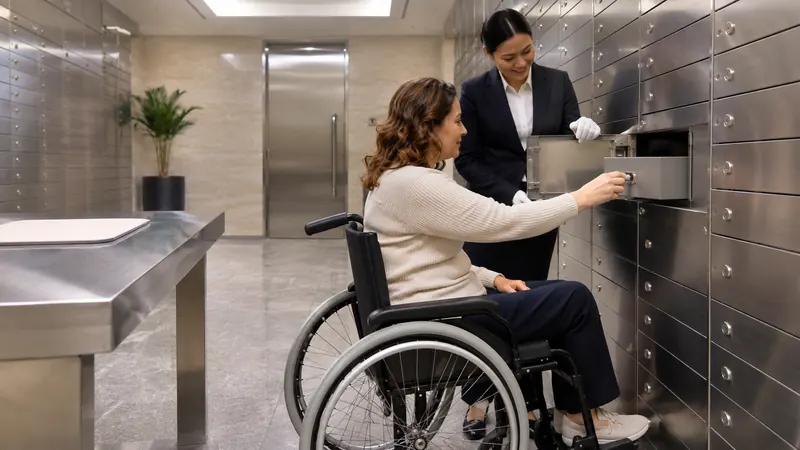
Documents requested for a bank account for non-residents
To open a bank account for non-residents, an Afghan bank typically asks for a valid passport and either an Afghan visa or an accreditation card issued by the authorities. A letter from the employer or organisation, proof of an address in the country and, depending on the bank, passport photos are added to the file.
Foreign companies generally need their registration with the Afghan investment agency or the Ministry of Commerce, articles of association, a list of directors and signatories, and details of the beneficial owners. Each bank sets its own checklist, so a written request avoids repeated trips to Kabul.
Currency, the afghani and international transfers
The legal currency is the afghani. The US dollar circulated widely for years, and from 2022 the authorities pushed for domestic payments in the national currency. Some banks still keep dollar sub-accounts, although their usefulness depends on the cash and correspondent liquidity available.
SWIFT payments to Afghanistan go through a limited set of correspondent banks, often regional ones in the Gulf, Pakistan or Turkey. Delays are long and compliance rejections are common. Many flows, especially family remittances, move through informal hawala networks, which is not a substitute for a documented bank account.
Anyone expecting inbound funds should ask which correspondent banks the account uses and whether transfers from their home country are accepted.
Currencies and cash
Dollar cash remains in high demand, but carrying large sums in banknotes raises reporting and security questions. It is better not to travel with large amounts.
Sanctions, compliance and risks
Several officials of the current authorities appear on United Nations and United States sanctions lists. Afghan banks and their correspondents therefore apply very strict due diligence: source of funds, purpose of payment, counterparties. Humanitarian carve-outs exist, but they do not remove the need for detailed paperwork.
For tax residents of other countries, automatic exchange of information plays a limited role here, since Afghanistan does not receive reports the way major financial centres do. Reporting duties in the country of tax residence still apply, and personal tax advice remains necessary before any plan.
Finally, many foreign ministries advise against travel to Afghanistan. An account opening that requires a trip should be weighed against that reality.
Compliance teams may also ask for a letter explaining the link with the country, a copy of the employer’s registration and, for larger balances, an account of how the funds were earned. Having these papers ready before the first branch visit shortens the review and shows the bank a clear, documented purpose.
Banks, providers and alternatives
The sector has around a dozen private banks, including Azizi Bank, Afghanistan International Bank, Afghan United Bank, Maiwand Bank and the Islamic Bank of Afghanistan. Islamic windows and branches of Pakistani and Turkish groups support part of the cross-border trade.
None of these lenders promises remote onboarding. Rules change quickly, and a bank that accepts foreign customers one year may pause the service the next. First-hand information comes from each bank’s compliance desk rather than from general directories.
Many expatriates do not hold any meaningful Afghan account. The employer pays salary into an account in a neighbouring country or in the home country, and a cash advance covers day-to-day spending on the ground. That approach avoids exposing large sums to a banking system under strain.
Humanitarian organisations often work through licensed payment agents or e-money providers with internal control procedures. An individual cannot always reach these channels, but a question to the employer or embassy shows which route is used for foreign staff.
In every case it is wiser to keep local balances modest, retain evidence of each operation and never hand banking credentials to an unidentified intermediary.
Taxes, FATCA and information exchange
The United States applies FATCA to its citizens worldwide: an American holding an account in Kabul must still report it to the tax authority at home, however the local bank handles the information. Afghan banks, only loosely connected to international networks, do not always pass such data upward in a systematic way, but the account holder remains responsible.
On the Common Reporting Standard (CRS), Afghanistan is not among the jurisdictions currently exchanging data on a regular basis with major financial centres. That creates no comfort zone: the account must be declared under the rules of the country of tax residence, and income linked to it stays taxable wherever the law says so.
Interest paid on Afghan accounts is low, and inflation or a weaker afghani can erode the value of deposits. An accountant familiar with the relevant tax treaties is the best source of guidance before opening anything.
Checks before opening a bank account for non-residents
Before taking any step, ask in writing whether the bank opens accounts for non-resident foreigners, which currencies are offered, and which correspondent banks handle inbound and outbound wires. Get the monthly fees, exchange margins and cash withdrawal limits spelled out.
Also ask about proof of source of funds, how long the review takes and whether the account can be closed without penalty. Finally, check with your employer or embassy what security rules apply to your movements, and keep a copy of every written exchange.
Questions worth putting to the compliance desk
How long does the review take, which proof of funds is required, what is the cash withdrawal cap, which correspondents serve dollar or euro transfers, and what fees apply if the account stays dormant? Record each answer with the date and the name of the person who gave it.
Banks and providers to open this account
- Azizi Bank — Large private Afghan bank with branches in Kabul and the provinces, offering accounts in afghanis and foreign currencies.
- Afghanistan International Bank — Kabul-based commercial bank serving companies and international organisations operating in the country.
- Afghan United Bank — Private Afghan lender offering current and savings accounts for individuals and businesses.
- Maiwand Bank — Afghan commercial bank providing deposit and transfer services for local customers and resident foreigners.