
Madagascar: open a bank account for non-residents
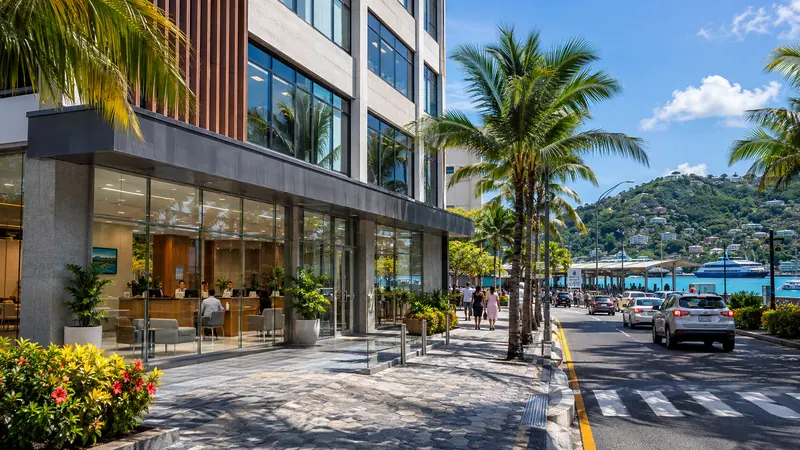
Madagascar: opening a bank account for non-residents means placing money with a licensed bank in Antananarivo or another city while living outside the island, whether as a Malagasy abroad or as a foreigner with local interests. Accounts are kept in ariary or, under conditions, in foreign currency. They receive transfers, pay local bills and hold savings. The central bank sets the exchange rules, while each bank decides which documents it accepts and how far remote applications are possible. Applicants should expect questions about residence status, source of funds and the purpose of the account before any approval is given.
The ariary and the Banky Foiben’i Madagasikara
Madagascar issues its own currency, the ariary (MGA), which replaced the Malagasy franc in 2005. The Banky Foiben’i Madagasikara, the central bank, supervises the banking system and the foreign exchange market from the capital. The ariary floats within a managed regime and has lost value against the euro and the dollar over the years, so holders who earn abroad pay attention to the rate they get when they convert.
This matters for a non-resident because the choice between an ariary account and a foreign-currency account shapes both the cost and the risk. An ariary account is practical for rent, school fees, wages and daily spending on the island. A currency account, where a bank offers one, protects the value of savings sent from Europe or North America and makes it easier to send money back.
Historically the ariary has been vulnerable to inflation and to shocks such as cyclones and swings in vanilla and nickel prices. Banks publish daily indicative rates, but the effective rate depends on the amount and the channel used, so comparing two or three quotes before a large conversion is common practice among people who send savings to the island.
Who opens an account without living on the island
The main applicants are Malagasy people living in France, Canada or Reunion who support relatives or build a house, foreign investors in vanilla, mining, tourism and textiles, and employees of non-governmental organisations whose projects run for months. Banks separate residents, who normally live on the island most of the year, from non-residents, and they apply different exchange rules to each group.
Foreign nationals with a long-stay visa or a residence permit can often be treated as residents, even if they travel a lot. People who only visit are usually considered non-residents. The status is declared at the counter and may be checked against a passport stamp or a visa. A wrong declaration can create problems later, for example when funds are transferred abroad.
Documents banks ask for in Madagascar
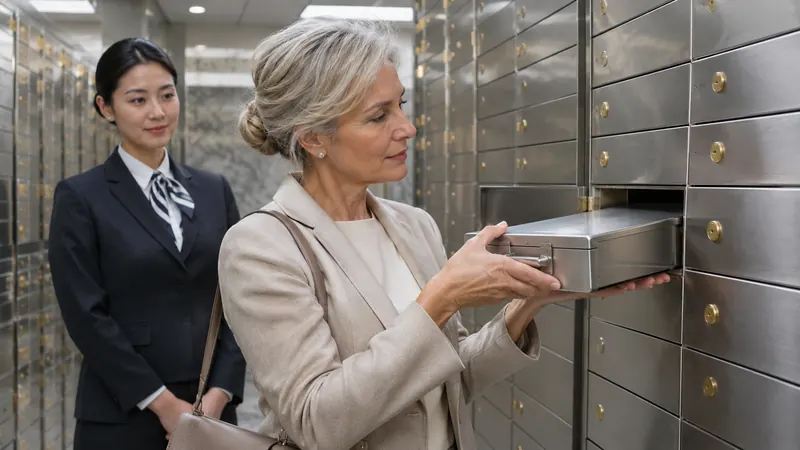
Expect to present a valid passport, a recent proof of address abroad, passport-size photographs and a signed application form. French is widely used in banking, so documents in English may need a certified translation. Banks also ask what the account is for and where the money comes from, and may request a letter from an employer, a sale contract or a bank statement from the home country.
Companies must supply their articles of association, an up-to-date registry extract, identification of directors and beneficial owners, and a board resolution. Malagasy tax identification numbers are requested for businesses and, in some cases, for individuals who receive local income. Several banks still require at least one visit in person, while others accept documents certified by a notary or a consulate.
Certification and translation of documents
Papers issued abroad are better received when they carry an apostille or a consular stamp, depending on the agreements in force. Because French is the working language of many Malagasy banks, English-language statements and letters may need a sworn translation. Preparing certified copies at home saves a second trip, since bank staff usually keep photocopies and return the originals once they have checked them.
Opening a bank account for non-residents: rules and limits
The Malagasy exchange regulation allows current-account transactions such as payments for goods, services and family support, but it controls capital movements. A non-resident who wants to bring funds in should keep the bank advice slip, because it proves the origin of the money when later transferring it out. Proceeds from the sale of property or the winding up of a business need documents such as a notarial deed and tax clearance.
Cash is a particular point. Large cash deposits trigger questions, and banks may ask for a customs declaration when the traveller carries foreign banknotes into the country. Mobile money from the main operators is widespread in Madagascar, but it works with local SIM cards and is better seen as a complement to a bank account than a replacement for one.
Cards, cash and mobile money
Debit cards issued to non-residents often come with modest withdrawal ceilings, and cash machines are concentrated in the capital and larger towns. Many account holders therefore combine a bank account with mobile money for small payments and family transfers. It remains sensible to carry a backup means of payment and to tell the bank before travelling so that card use abroad is not blocked.
Main banks in Antananarivo and the provinces
The market includes BNI Madagascar, a subsidiary of Crédit Agricole, BMOI, part of the BPCE group, BOA Madagascar, SBM Madagascar, MCB Madagascar, Access Bank Madagascar and BFV-Société Générale. Their reach differs: BNI and BOA have extensive networks in provincial towns, while MCB and SBM focus on corporate clients and the Mauritian business community.
Comparing them means looking at account fees, the cost of incoming international transfers, the quality of the mobile app, the availability of statements in French or English, and the hours of the foreign operations desk. A branch close to where the account holder will spend time on the island makes day-to-day matters easier, since many procedures still rely on a signature in person.
Compliance, remote opening and tax reporting
Banks apply customer due diligence rules inspired by international standards. Politically exposed persons, high-value deposits and unclear sources of wealth lead to enhanced checks. Remote applications are possible with some institutions for Malagasy nationals abroad, through video identification or a consulate, but they are less common for foreigners with no personal tie to the island.
Account holders are responsible for tax reporting where they live. Many countries require residents to declare foreign accounts, and automatic exchange of information may apply when a tax agreement exists. Banks ask for a tax residence self-certification, and holders who are US persons should expect an extra form. Questions about taxation of interest or inheritance are better put to a qualified adviser.
Sanctions and international risk lists are monitored by the compliance teams of correspondent banks, which handle dollar and euro payments for local institutions. If a payment is delayed, the correspondent may ask for the contract or invoice behind it. Keeping documents organised, and using the same name and address on every form, makes these checks quicker.
Sending money back out of the country
To transfer funds abroad, a bank normally asks for the reason and a supporting document: an invoice, a contract, a medical bill, a tuition receipt. Transfers under a modest ceiling follow a simpler route. For larger sums, the central bank’s rules and the bank’s own limits apply, which is why the paper trail from the first deposit is worth keeping.
Questions to put to the bank before opening a bank account for non-residents
Before committing, ask about the monthly fee, the cost of incoming and outgoing transfers, the minimum balance, the policy on dormant accounts and the closing procedure. Check whether the bank accepts documents certified abroad, how long the review takes and whether a first visit is mandatory.
Also ask whether a debit card works outside Madagascar, whether online banking is offered in English, which currencies can be held, and who can act on the account if the holder cannot travel. Keep every document received and ask for confirmation of the account number, the IBAN and the SWIFT code in writing.
Banks and providers to open this account
- BNI Madagascar — Bank of the Crédit Agricole group with the largest branch network in the country, serving individuals and companies.
- BMOI — Subsidiary of the French BPCE group offering current accounts and foreign-currency services in Madagascar.
- BOA Madagascar — Madagascar arm of the Bank of Africa group, with branches across provincial towns.
- MCB Madagascar — Subsidiary of Mauritius Commercial Bank, active in corporate banking and trade finance.
- Access Bank Madagascar — Local arm of the Access Bank group, serving businesses and individuals with international transfer services.