
Sao Tome and Principe: open a bank account for non-residents
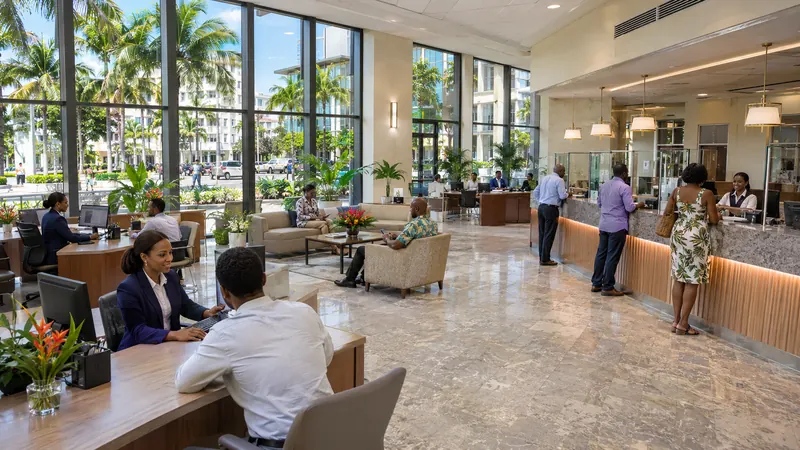
Sao Tome and Principe: opening a bank account for non-residents means keeping money with a bank authorised by the Central Bank of Sao Tome and Principe, in the capital, while living outside the islands. Holders are diaspora members, cocoa, tourism or energy investors, expatriate staff and property owners. Accounts are kept in dobras or, under conditions, in foreign currency. Each bank sets its own criteria for approval, supporting documents and monitoring of the account. Approval depends on the applicant’s status, the clarity of the paperwork and the outcome of the bank’s checks.
The euro-pegged dobra
The country’s currency is the dobra (STN), redenominated in 2018 at one new dobra for a thousand old ones. Its value is fixed to the euro at 24.5 dobras per euro, an arrangement supported by an agreement with Portugal. The Central Bank, located in the capital, supervises banks and manages the foreign exchange reserves.
A fixed rate against the euro removes much of the exchange risk for holders whose income comes in euros. Banks still apply a margin when converting, and the cost of international transfers can be significant for small, regular remittances. Comparing the total cost, not only the quoted fee, is the best way to judge an offer.
The economy relies on foreign aid, cocoa exports and tourism, and shocks in these areas can weigh on reserves. The peg agreed with Portugal nevertheless provides stability, which investors and families receiving euros from Europe value when deciding where to keep funds.
Official exchange rates are published by the central bank, and commercial banks quote their own buying and selling prices. Since the peg leaves little room for variation, the main difference between banks is the fee or commission, which should be requested before a first transfer is made.
Typical customers living abroad
Santomeans in Portugal, Gabon, Angola, France and Brazil send money home to relatives and invest in plots or homes. Foreign investors look at cocoa, coffee, fishing, eco-lodges on Príncipe, renewable energy and, increasingly, offshore oil prospects. Staff of development agencies and non-governmental organisations also need local accounts.
The small size of the islands means that a handful of banks handle almost all applications. Customers are classed as residents or non-residents depending on where they spend most of the year and where their main interests lie. The label affects documentation, currency choice and outgoing transfer rules.
Owners of former plantations converted into guesthouses, especially on Príncipe, often need accounts to pay staff and suppliers. Banks ask for a title deed or lease, a business plan and expected revenues to understand the activity before agreeing to open the account.
Students, researchers and professionals who work abroad but keep family ties on the islands may also keep a small account to cover local expenses. Such accounts are usually simple, with modest balances, but they still require identification and an explanation of how money will be added.

Documents to open a bank account for non-residents
Applicants usually provide a passport or identity card, a proof of address abroad, photographs and an explanation of the purpose of the account, backed by an employment contract, a sale deed or a business plan. Portuguese is the working language, so documents in English or French may require a sworn translation.
Companies bring their articles of association, local registration, identification of directors and beneficial owners, a tax number and a resolution authorising the opening. With a small number of banks, each file is examined closely and a personal meeting is common. There is no guarantee of acceptance, and processing times can be long.
A bank may ask for a reference letter from another institution or a recommendation from an existing customer. A local lawyer or accountant can help prepare the file and act as a point of contact, but this support does not replace the bank’s own checks and its freedom to refuse.
Apostille and sworn translation
Papers issued abroad are more readily accepted with an apostille or consular legalisation, and a Portuguese translation avoids delays. Arranging these before travelling reduces the risk of a second trip to the islands.
Currency accounts, transfers and costs
A dobra account handles everyday spending. Some banks open euro or dollar accounts for customers who earn abroad. Incoming transfers arrive by SWIFT with a stated purpose, and outgoing ones require documents that comply with the central bank’s exchange rules.
Few correspondent banks work with the islands, so certain dollar payments pass through several intermediaries, adding time and fees. Euro payments benefit from links with Portuguese banks and tend to be faster. Asking the bank which correspondent handles euros and dollars helps to plan transfers and avoid delays.
For large sums, a bank transfer is preferable to carrying cash, which may require a customs declaration. Keeping credit advices and supporting documents makes it easier to repatriate funds later, whether they come from a property sale, a contract balance or accumulated savings.
Cash and cards on the islands
Cards are accepted in hotels and some restaurants in São Tomé, yet cash dominates daily life, and cash machines are few. Account holders who plan a visit should carry a small reserve and check withdrawal limits with the bank beforehand.
Banks operating in São Tomé
Banco Internacional de São Tomé e Príncipe, linked to Portugal’s Caixa Geral de Depósitos, operates alongside Afriland First Bank, Ecobank and BGFIBank, which belong to pan-African groups. The list may change as banks enter, exit or change owners, so it is wise to confirm the licensed institutions with the central bank.
Comparison points include fees, transfer times, online banking, service language and correspondent relationships. A bank tied to a Portuguese group tends to ease links with Portugal, while African groups connect more easily with Central and West African markets.
Branches are concentrated in São Tomé city, with limited presence elsewhere on the island and on Príncipe. Customers who travel outside the capital should check cash availability and opening hours, and ask whether the bank provides internet or mobile services that work reliably on local networks.
Portuguese bank or African group
A bank backed by a Portuguese group simplifies euro transfers to Lisbon and Porto, which matters to families in Portugal. A pan-African group offers links to Gabon, Cameroon or Nigeria. The right choice depends on where the money comes from and where most payments will go.
Compliance, tax reporting and monitoring
Banks apply customer due diligence, screen politically exposed persons and report suspicious transactions. In a small market, checks are highly personalised, and correspondent banks pay close attention to payments. International monitoring lists change over time, so applicants should verify the current position.
Account holders remain responsible for tax where they live. Many countries require residents to declare overseas accounts, and automatic exchange of information may apply. Banks in São Tomé collect a tax self-certification and, for United States taxpayers, an additional form, in line with FATCA. Questions about interest income and property should be put to a qualified adviser.
Proximity to offshore oil prospects and infrastructure projects draws the attention of correspondents to incoming flows. People working in those fields should expect requests for contracts, licences or invoices before some payments are credited, and should answer quickly to avoid delays.
Checks before you open a bank account for non-residents
Ask for a written fee schedule: monthly charges, incoming and outgoing transfer costs, minimum balance, dormant account rules and closing fees. Find out whether a remote application is possible or an in-person meeting is required.
Confirm the currencies offered, card options, withdrawal limits, online banking and the way to appoint an agent. Keep the signed contract, the account number, the IBAN and SWIFT details and the name of your contact, to support any follow-up.
Banks and providers to open this account
- Banco Internacional de São Tomé e Príncipe (BISTP) — Bank of the Portuguese Caixa Geral de Depósitos group, serving individuals and companies on the islands.
- Afriland First Bank São Tomé e Príncipe — Local subsidiary of the pan-African Afriland First Bank group.
- Ecobank São Tomé e Príncipe — Local subsidiary of the Ecobank group, with accounts for businesses and individuals.
- BGFIBank São Tomé e Príncipe — Island subsidiary of the Central African banking group BGFIBank.