
Timor-Leste: opening a bank account for non-residents
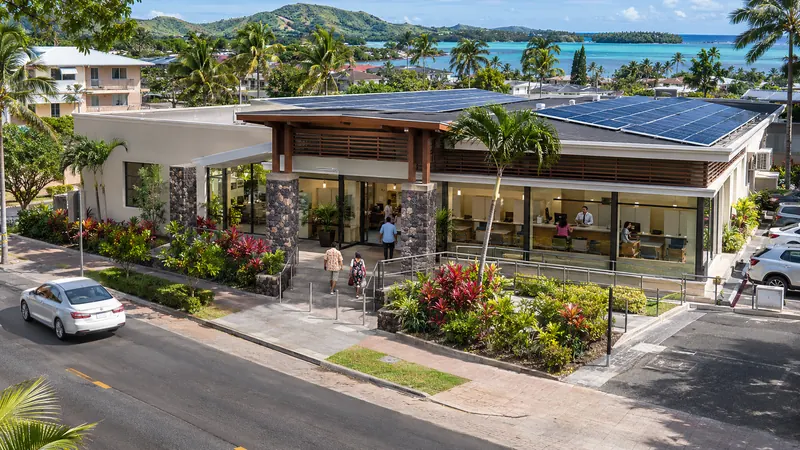
Timor-Leste: a bank account for non-residents is an account in United States dollars held in a bank in Dili by someone who does not live in the country, such as an overseas worker, investor or aid professional. The country has used the dollar as its currency since independence, and the Banco Central de Timor-Leste supervises the small banking sector. Banks normally require a passport, visa information, an employer or business letter and details of where the money comes from, as part of anti-money-laundering checks.
A dollarised economy with a small banking sector
Timor-Leste uses the United States dollar as legal tender, alongside its own centavo coins. The Banco Central de Timor-Leste, located in Dili, regulates the financial system, issues the centavo coins and manages the national payment system. The absence of a national banknote means exchange-rate risk is limited for anyone earning or holding dollars.
Only a handful of banks serve the market: ANZ Timor-Leste, Banco Nacional Comercial de Timor-Leste, Banco Mandiri and Bank BNU, the local branch of the Portuguese institution Banco Nacional Ultramarino. Their branches are concentrated in Dili, with a few in district towns such as Baucau, Maliana and Suai.
Credit unions and microfinance bodies reach rural areas, but they target residents. A foreigner will almost always use one of the main banks.
The country became independent in 2002 and manages oil and gas wealth through the Petroleum Fund, held abroad. This arrangement gives the economy a sound macroeconomic anchor, but domestic banking remains small compared with the size of public finances, with limited lending to the private sector.
Who can open a bank account for non-residents in Timor-Leste
The people most likely to open accounts are employees of embassies, United Nations agencies and non-governmental organisations, workers in oil, construction and tourism, researchers, teachers and investors. Timorese citizens living abroad can also open accounts, often through family.
Banks look for a connection to the country: a work contract, a business plan or a letter from a recognised institution. Visitors on short tourist visas may find it hard to open an account unless they can demonstrate an intended longer stay.
Companies registered in Timor-Leste open accounts in the name of the entity after the authorities issue the registration documents.
Foreign investors can contact the agency that promotes investment and exports in Dili, which provides guidance on registration and on the documents banks expect from a new business.
Aid workers and diplomats
International organisations often negotiate accounts for staff, with salary payments transferred in dollars. Staff use ATMs and cards for daily needs, and some institutions arrange payroll directly with a bank in Dili. Diplomatic missions follow their own rules, but also use local banks for operating expenses and staff salaries.
Documents and the opening process for a bank account for non-residents
Applicants bring a valid passport, a visa or residence permit, proof of address and a letter from an employer or sponsor. Banks may ask for a tax identification number, a reference and details about expected deposits.
Forms include declarations on source of funds, tax residence for FATCA and CRS, and the intended use of the account. For companies, banks request certificates, statutes and the identity of the owners.
Staff speak Tetum, Portuguese, Indonesian and English in varying degrees. Bring documents in English or Portuguese when possible, or arrange a certified translation.
Language and translation issues
Few documents are issued in Tetum or Portuguese for foreigners, so staff compare originals with translations. A certified translation into English or Portuguese reduces back-and-forth. Some branches will accept copies authenticated by an embassy, which can be faster than notarisation in a distant home country when a team is already working in Dili.
Dollar accounts, transfers and correspondent banks
Accounts are held in dollars, which simplifies receiving funds from the United States and from many international organisations. Incoming transfers arrive through SWIFT via correspondent banks in Australia, Singapore or the United States, and may take several days.
Some international banks reduced their exposure to small Pacific and Asian markets, a phenomenon known as de-risking. Timor-Leste has worked to maintain its correspondent relationships, but customers may still meet extra questions on larger transfers.
Cash is widely used for everyday payments. The Central Bank monitors the circulation of notes and coins and sets rules on the declaration of cash across the border.
Sending money to family abroad
Foreign workers often wish to send part of their pay home. Bank transfers are possible but carry fees, and the exchange margin is irrelevant when both sides use dollars. Money transfer operators exist in Dili, though some people prefer bank wires for traceability. Keep pay slips and bank records so that you can document the origin of every transfer.
Compliance and regulatory context
Timor-Leste is a member of the Asia/Pacific Group on Money Laundering and has adopted laws against money laundering and terrorism financing. Banks apply customer due diligence and report suspicious activity to the financial intelligence unit.
As a small, young economy that depends on oil revenues, the country invests in its financial oversight. International assessments continue to shape reforms, and banks respond by tightening requirements for foreign customers.
Expect to answer questions about the source of funds, the nature of your business and the relationship with the people who send or receive money.
Bank staff may also ask whether the customer is a public official or related to one. The question reflects international standards and is answered by a short declaration signed by the applicant.
Cards, ATMs and everyday banking
Banks issue debit cards, and ATMs exist in Dili and in some district centres. International cards work in major hotels and a few restaurants and shops, but small businesses prefer cash. Withdrawal limits are modest, and ATMs may run out of cash on busy days.
Mobile banking and internet services are available at some banks, though coverage and reliability vary with the quality of the telecommunications network. Customers often visit branches for transactions that they would do online elsewhere.
Opening hours are shorter than in many countries, and lines can be long at the start of the month when salaries are paid.
Power cuts and network outages happen outside the capital, and ATMs in rural towns can be out of service for days. Keep some cash on hand when travelling to Oecusse, Same or Lospalos.
Taxes and reporting
Interest on deposits may be subject to withholding tax according to the law in force. Residents and non-residents are treated differently for some taxes, and the bank can describe how interest on an account is handled.
Workers who earn income in Timor-Leste must follow local tax rules, including employer withholding. Some international organisations are covered by privileges and immunities agreements that exempt their staff from certain taxes.
Account holders should also respect reporting duties in the country where they live. This overview of Timor-Leste, where the US dollar is the currency, is general information and not tax advice.
Tourists who bring cash dollars do not face exchange control issues on arrival, but amounts above a threshold must be declared at the border.
Checks and questions before opening an account
Ask the bank which account type suits a temporary stay, what monthly fees and minimum balance apply, and how much it charges for SWIFT transfers in and out. Check the daily ATM limit and card fees.
Clarify the documents needed and whether copies must be certified. Ask how long the process takes and whether you can pick up the card on the same day. Find out what happens to the account if you leave the country.
Compare at least two banks, confirm current regulations with the Central Bank or the bank itself, and keep all contracts in a safe place. Conditions in a small market can change with short notice.
Ask for a written list of tariffs and keep it with your contract, since charges are rarely displayed on a website.
Banks and providers to open this account
- ANZ Timor-Leste — Branch of the Australian bank ANZ in Dili, widely used by expatriates, companies and aid organisations.
- Banco Nacional Comercial de Timor-Leste — Local commercial bank serving individuals and businesses in Dili and district towns.
- Banco Mandiri Timor-Leste — Branch of Indonesia’s Bank Mandiri, offering accounts and transfers in Dili.
- Bank BNU Timor-Leste — Local branch of the Banco Nacional Ultramarino, with personal and company accounts in dollars.