
Sri Lanka: opening a bank account for non-residents
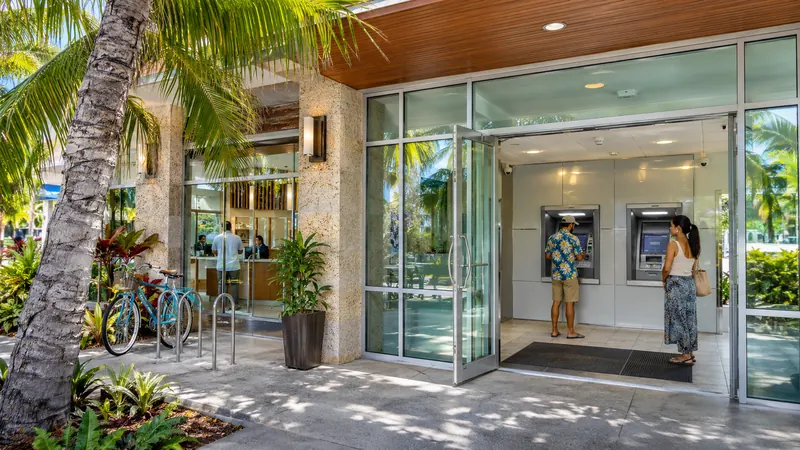
Sri Lanka: a bank account for non-residents is an account in Sri Lankan rupees or foreign currency opened by a foreigner or an expatriate Sri Lankan who lives abroad, most often as a Non-Resident Foreign Currency account or a non-resident rupee account. The Central Bank of Sri Lanka sets the exchange control rules under the Foreign Exchange Act. Banks usually ask for a passport, visa details, proof of address abroad and an explanation of the source of funds before opening the account.
The framework: Central Bank, rupee and exchange controls
The Central Bank of Sri Lanka, based in Colombo, regulates banks and administers the Foreign Exchange Act. The rupee (LKR) floats since 2022, after the economic crisis and the sovereign default forced the country to abandon its tightly managed rate and to seek support from the International Monetary Fund.
During the crisis, shortages of dollars led to limits on foreign currency transactions and to the introduction of special deposit schemes to attract remittances. Many restrictions have eased since, but banks still apply careful documentation for outward transfers.
Commercial banks include state-owned Bank of Ceylon and People’s Bank, and private lenders such as Commercial Bank of Ceylon, Hatton National Bank, Sampath Bank, Seylan Bank and Nations Trust Bank. HSBC and Standard Chartered operate as foreign banks.
The impact of the 2022 crisis on accounts
During 2022, banks introduced limits on foreign currency withdrawals and some customers found their dollar balances converted at official rates. The measures were relaxed as reserves recovered, but they showed that the terms of an account can change quickly. Customers who rely on NRFC accounts should read the current conditions and keep records of the originating remittances in case the bank requests proof.
Types of bank account for non-residents
The Non-Resident Foreign Currency account, known as NRFC, allows Sri Lankans living abroad and some foreign nationals to hold funds in major currencies and move them in and out with few restrictions. It is the main tool for people who send money to relatives or keep savings in the country.
A non-resident rupee account holds balances in rupees funded by foreign currency converted through the banking system, and sometimes from local income. Foreigners who invest in government securities or listed shares use dedicated investment accounts that track capital brought into the country.
Resident foreign nationals who hold a visa and work in the country can also open standard accounts, subject to the bank’s identity and compliance checks.
A non-resident status is tied to residence rather than nationality. A Sri Lankan citizen who moves abroad may need to inform the bank and shift an existing resident account to a non-resident category, since the exchange control treatment differs.
Investment accounts for foreigners
Foreign investors who buy shares on the Colombo Stock Exchange or treasury bills commonly use specific accounts that allow later repatriation of proceeds. The bank records the inward remittance and issues the confirmations required for exit. Without these papers, taking money out may face delays or additional approvals from the Central Bank.

Who can apply and what the bank asks for
Eligible applicants include Sri Lankan citizens working or living abroad, foreign nationals with a link to the country, and foreign investors. Tourists on short visas have limited options, though some banks open basic accounts when the stay is long enough or the purpose is clear.
Required documents typically include a passport, a visa or residence permit if the person is in Sri Lanka, proof of address abroad, a reference letter or recent bank statement, and a form describing the origin of funds. Companies add incorporation papers and ownership details.
The bank may also request a tax identification number, either from Sri Lanka or from the country of residence, and FATCA and CRS declarations.
Banks may require an introduction from a bank in the country of residence, particularly for first-time customers who cannot visit a branch. A reference letter confirming good standing helps establish a track record.
Opening a bank account for non-residents from abroad
Some banks allow the first steps to be taken from abroad: an online form, a video call and certified copies of documents sent by courier. Others require an attestation of identity from a Sri Lankan embassy or consulate, or a visit to a branch during a trip.
Expatriate Sri Lankans are the main beneficiaries of these remote processes, and many banks have dedicated desks, remittance partners and NRFC-specific offers. Foreign nationals without a Sri Lankan link may still be asked to attend in person.
Opening times vary, but the process usually takes a few days after complete documents are received. Funds may need to be deposited within a short period to keep the account active.
Special deposit accounts and remittance schemes
Programmes aimed at attracting remittances, including special deposit accounts opened in 2022 and incentive schemes for workers abroad, offered preferential treatment on inward flows. Their terms and eligibility have changed over time, so confirm with the bank which scheme is still open and what documents prove that the funds came through an authorised channel.
Remittances, repatriation and currency rules
Inward remittances in foreign currency are encouraged and handled through banks and licensed money transfer operators. The bank credits the account in the same currency, or in rupees if the customer chooses conversion.
Repatriating balances held in NRFC accounts is generally allowed. Funds in rupee accounts that originated locally need evidence of the source and, in some cases, proof that taxes have been paid before conversion and outward transfer.
Travellers must declare cash above a customs threshold on entry and exit. Banks may ask for documents on large remittances in order to meet anti-money-laundering requirements.
Taxes on interest and reporting
Interest on rupee deposits is generally subject to withholding tax, while interest on some foreign currency accounts held by non-residents may be exempt or taxed at lower rates, depending on current law. Rules have changed in recent budgets, so the bank’s current guidance matters.
Sri Lanka exchanges financial account information under CRS, and banks collect self-certification forms to determine where an account holder is tax resident. Account holders must follow the rules of the country where they live.
A local tax adviser can explain the position of a specific individual. This text is general information and not personal tax advice.
Digital banking, cards and daily use
Major banks provide mobile apps, internet banking and debit cards, with QR payments through LankaQR increasingly common. Foreign cards work in hotels, supermarkets and tourist sites, while small shops and tuk-tuks still prefer cash.
ATMs are plentiful in Colombo, Kandy, Galle and the tourist coast. Withdrawal limits and fees differ by bank, and foreign visitors should check the charge made by their home bank in addition to the local ATM fee.
Mobile numbers are needed for one-time passwords. Visitors who plan to stay long usually buy a local SIM card, which requires a passport and a short registration.
Banks in Colombo also accept account statements in English as proof of address for visa applications and rental contracts. Request a certified copy if you need to show it to an immigration office.
Checks and questions before opening an account
Ask the bank which account type fits your situation, what fees apply to inward and outward transfers, and which currencies are supported. Confirm whether interest is taxable and at what rate under the latest rules.
Check how long opening takes, whether remote options exist for your country of residence, and what minimum balance is required to avoid charges. Ask about the policy on dormant accounts and how to close an account from abroad.
Compare at least two banks and confirm the current regulations with the Central Bank or the bank itself shortly before opening. Exchange control rules have been revised several times since the crisis.
Keep copies of all forms and remittance advices, because later withdrawals or repatriation may require evidence of the original transfer.
Banks and providers to open this account
- Commercial Bank of Ceylon — Leading private bank with NRFC accounts, remittance services and a wide branch network.
- Hatton National Bank — Major private bank that offers non-resident accounts and services for expatriate Sri Lankans.
- Bank of Ceylon — State-owned bank with the largest network, providing foreign currency and non-resident accounts.
- Sampath Bank — Private bank known for digital services and accounts for customers living abroad.
- Standard Chartered Sri Lanka — International bank serving expatriates, investors and companies in Colombo.
Further reading
- DFCC Bank — foreign-currency accounts page: non-residents and expatriates can open selected accounts.