
Micronesia: open a bank account for non-residents
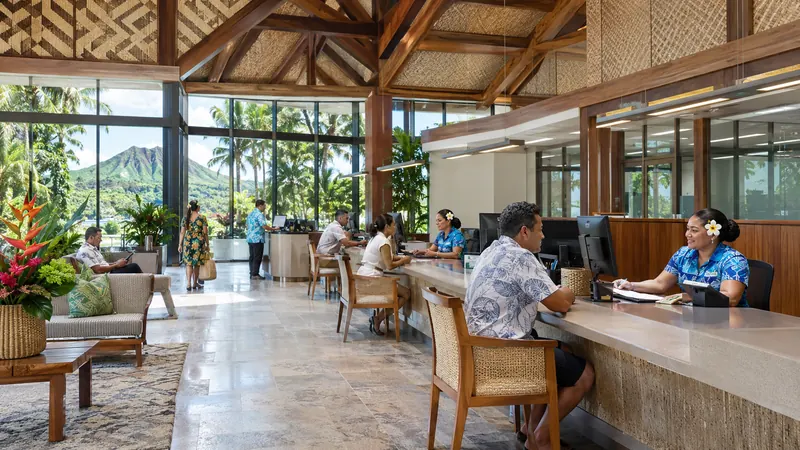
Micronesia: a bank account for non-residents is offered by a short list of institutions across the four states of Pohnpei, Chuuk, Yap and Kosrae. The Federated States use the United States dollar, and the FSM Banking Board supervises the banks. Overseas applicants usually present a passport, proof of address, details on the source of funds and the reason for holding money in the islands. Some of the process can start remotely, yet final activation often requires a branch visit with original documents, and approval remains at the bank’s discretion.
Four states, one dollar-based banking system
The Federated States of Micronesia stretch across more than two thousand kilometres of the western Pacific. Palikir, on Pohnpei, is the national capital, while Weno in Chuuk, Colonia in Yap and Tofol in Kosrae host the other state centres. A bank branch in each of these places serves a population of about a hundred thousand people.
The country has a Compact of Free Association with the United States, and its currency is the American dollar. The FSM Banking Board licenses and examines the banks, and deposit-taking institutions with American roots follow federal rules. That structure gives savers familiar standards, but it also ties every cross-border payment to the American clearing system.
The country adopted its own constitution in 1979 and entered the Compact of Free Association with the United States in 1986, and its institutions remain small. Public finances rely on fishing licence fees, aid and the Compact grants, so the banking sector is designed mostly for salaries, local business and family remittances rather than complex international wealth management.
Banks that serve overseas customers
Three institutions form the core of the market. Bank of the Federated States of Micronesia, founded in 1987, has branches in all four states. Bank of Guam provides a link to the larger Guam and American network. FSM Development Bank focuses on loans to farmers, fishers and small companies rather than on ordinary deposit accounts.
Bank of the Federated States of Micronesia
The local bank offers checking and savings accounts, term deposits and loans. Customers are mostly residents and employers, so the bank examines a request from an overseas person with extra care. Asking in advance whether it takes customers who do not live in the islands saves time and avoids a wasted trip.
Bank of Guam
Bank of Guam operates in the Federated States and is a natural option for people with business links to Guam, Hawaii or the American mainland. It works under United States know-your-customer rules, which means a foreign-person tax form and clear identification are standard parts of the file.
FSM Development Bank
This government-linked lender supports agriculture, fisheries and small enterprise. It is relevant for investors or entrepreneurs planning a project, since its financing conditions and local partner requirements can shape how and where funds are held.
What to ask a branch before travelling
Before sending any document, write to the bank and ask whether it opens accounts for people who live abroad and under what conditions. Answers vary by branch, applicant profile and period. A clear message that states the reason for the account and the expected monthly amounts usually receives a more helpful reply than a general enquiry.
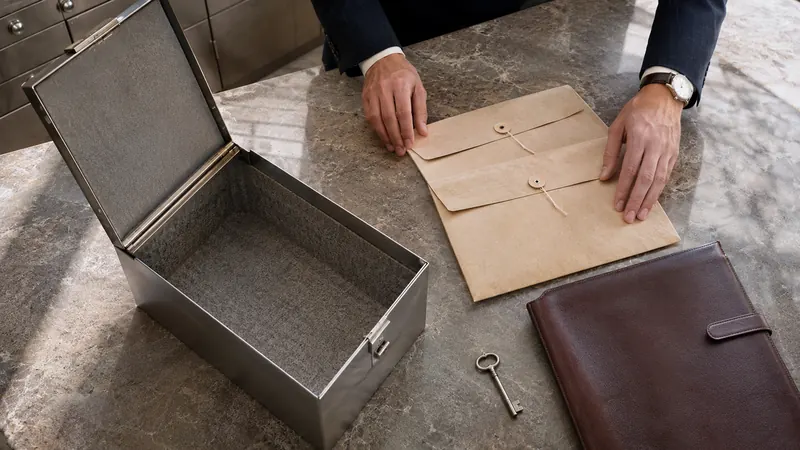
Documents for a bank account for non-residents
A valid passport comes first, along with a second identity document in many cases. Banks also ask for proof of a home address, such as a recent utility bill, and for a tax identification number from the country of tax residence. Applicants who are not American citizens or nationals of an associated state usually add a visa, a residence permit or a work permit if they live in the islands.
The bank will want to understand the purpose: salary from a project, rent from land, trading activity or personal savings. Letters from an employer, contracts, invoices and previous bank statements support those answers. Companies attach incorporation papers, a list of directors and shareholders and a board resolution authorising the account.
Certified copies and sworn translations are common requests. Because postal services are slow, applicants should gather the complete set before contacting the bank and ask whether scans, electronic signatures or notarised originals will be accepted.
Some banks ask for bank statements covering the previous three to six months to confirm that the declared income matches the funds to be deposited. Others request a reference from the applicant’s current bank. Both steps are normal in the Pacific and not a sign that the application is being refused.
Receiving and sending dollars
Incoming wires arrive through the correspondent banks used by the local institution, usually American. Compliance teams can query the sender, the amount and the reason for payment, which sometimes delays crediting the account. Giving the exact account name, the SWIFT code and a clear payment reference improves the odds of smooth processing.
Wire fees apply on both sides, and a few banks also charge for incoming transfers. Cheques are accepted but may be held for several weeks before funds become available. Debit cards work mainly in the main towns, so travellers and remote customers should keep some cash and confirm the card’s daily withdrawal limit.
Unlike many smaller economies, the Federated States face no exchange-rate risk for dollar earners. For customers whose income is in euros or sterling, however, each deposit involves a conversion at the sender’s bank, so it pays to compare the rate used with the market rate before transferring a large sum.
Daily life and practical limits
Online services are uneven across the four states, and ATMs are generally limited to larger towns. Branch hours are short, and island time zones, between UTC+10 and UTC+11, differ from Europe and North America. Customers living abroad should check whether the bank offers support in English by email or phone, and whether secure messaging is available.
Exchanging euros or other currencies in the islands is difficult. Visitors arrive with dollars, withdraw from a local account or use an international card. Non-residents often face higher fees, longer verification periods and tighter limits on credit products, so it is wise to compare tariffs and ask about minimum balances.
Tax reporting and compliance
Banks apply anti-money-laundering rules and ask about the origin of funds and the intended use of the account. The Banking Board and financial intelligence authorities expect institutions to report suspicious activity. Unusual or complex structures, especially those involving several jurisdictions, face more detailed checks.
An account in Micronesia does not remove obligations at home. Residents of the United States, the European Union, Canada and many other places must declare foreign accounts, and some countries require annual forms. Because rules differ by nationality, a tax adviser in the country of residence is the right contact for personal questions.
The wider Pacific has seen international banks reduce their correspondent relationships, and the islands are not immune. That risk can slow payments and prompt more questions about origin and purpose, which is why accurate, complete paperwork matters more here than in larger financial centres.
Questions to ask before opening a bank account for non-residents
Before applying, ask whether the bank accepts customers who live abroad, which accounts are available and whether a branch visit is compulsory. Check the minimum deposit, monthly fee and wire charges, and ask for the exact list of documents with certification requirements in writing.
Also ask which correspondent bank handles dollar transfers, what daily limits apply, how long cheques are held and what happens to dormant accounts. If a company will use the account, confirm that business activity is allowed. Speaking to two banks provides a realistic picture of speed, cost and service quality.
Banks and providers to open this account
- Bank of the Federated States of Micronesia — Locally founded commercial bank with branches in Pohnpei, Chuuk, Yap and Kosrae, offering deposit accounts and loans.
- Bank of Guam — Regional bank with branches in the Federated States, offering personal and business accounts and links to the American banking system.
- FSM Development Bank — Government-owned lender financing agriculture, fisheries and small enterprises across the four states.
- MoneyGram — International money transfer service used to send funds to the islands while an account is being arranged.